
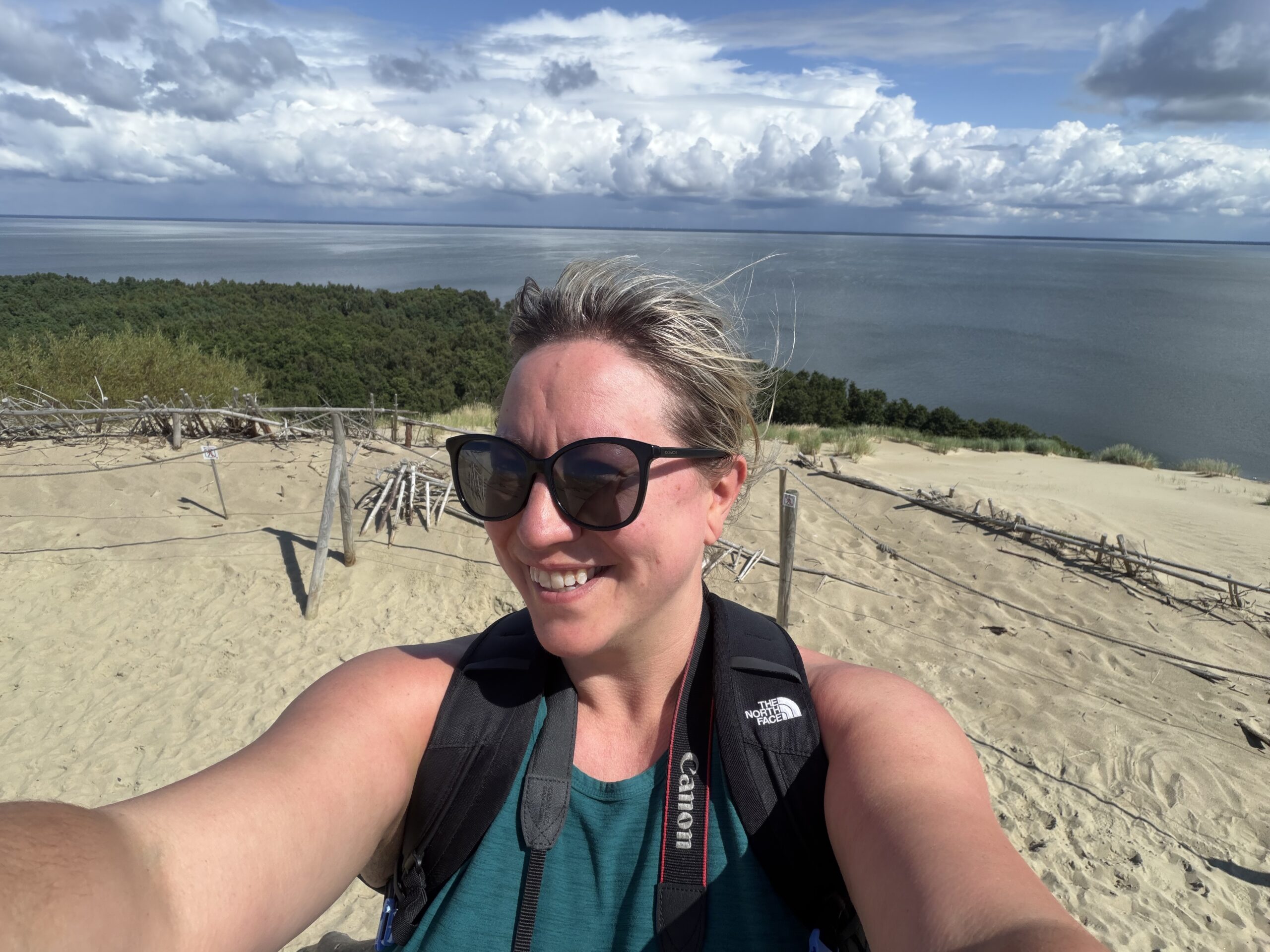
Some of my favorite travel experiences have happened because I didn’t have a plane to catch.
No rigid itinerary. No nonrefundable ticket dictating where I needed to be next. Just the freedom to look at a map, wonder what’s over there, and decide to go find out.
That’s one of the things I love most about slow travel.
If there’s an option to take a train, a boat, or a car rather than flying, I am all about it. You see more, become more immersed in the places you’re traveling through, give yourself space to just exist for a bit, and open up a million more possibilities than you had before.
When you’re not locked into a flight booked weeks in advance, there’s room to fly by the seat of your pants a little.
Want to stop halfway through for the night and explore a small town you never would have otherwise visited? Why not? All things are possible!
Of course, I’ve also been known to get a little carried away with this romantic notion of travel, determined to take the scenic route even when absolutely nothing about it makes sense.
And I have lived to rue the day.
When the Long Way Goes Wrong
When traveling between Hakodate, on Japan’s northern island of Hokkaido, and Aomori, a port city on the main island, I decided to take the four-hour ferry rather than sticking with the tried-and-true Shinkansen (bullet train).
How fun! I thought. I’ll take a four-hour sea voyage rather than traveling by land, and it will be so exciting and wonderful!
Well, dear reader, I was wrong.
This was a time when I should have stuck with the tried and true.
That four-hour sea voyage was nothing short of mind-numbing boredom.
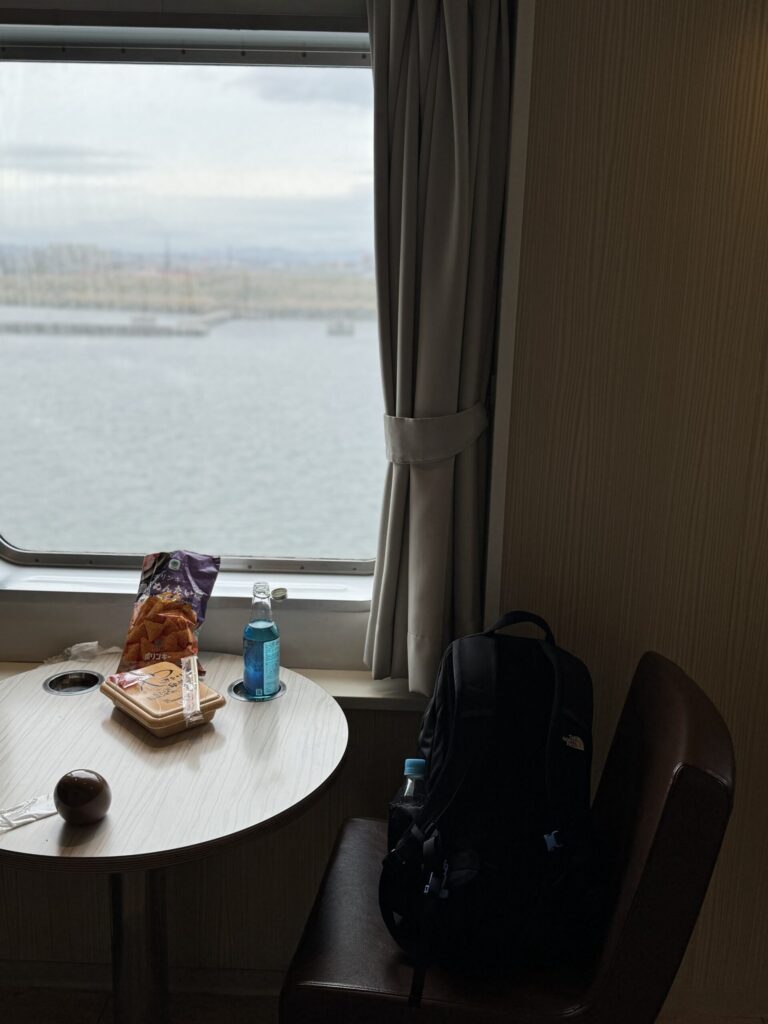
The weather kept the outer decks closed. The view was just gray skies and flat water outside a scuffed-up porthole. The only food available came from vending machines, and the seating was limited and not overly comfortable.
In the end, I spent about half my time napping on the tatami mat floors, using the provided foam yoga blocks as a pillow.
The train would have been more comfortable, more interesting, and faster to boot!
And apparently, I learned absolutely nothing from this experience.
At the beginning of my three-month European adventure, I flew into Amsterdam and planned to spend a week in Salzburg, Austria, before meeting up with my travel group in Basel, Switzerland, to cruise up the Rhine back to Amsterdam.
Naturally, I decided to take the train from Amsterdam to Salzburg, envisioning the comfort and ease of the Japanese trains I’d experienced the previous spring.
Nine hours isn’t that long, I thought.
It’ll be easy to load and unload my unwieldy luggage, I thought.
The chairs will be comfortable, the transfers easy and stress-free, and the scenery enchanting, just like in Japan, I thought.
I thought wrong.
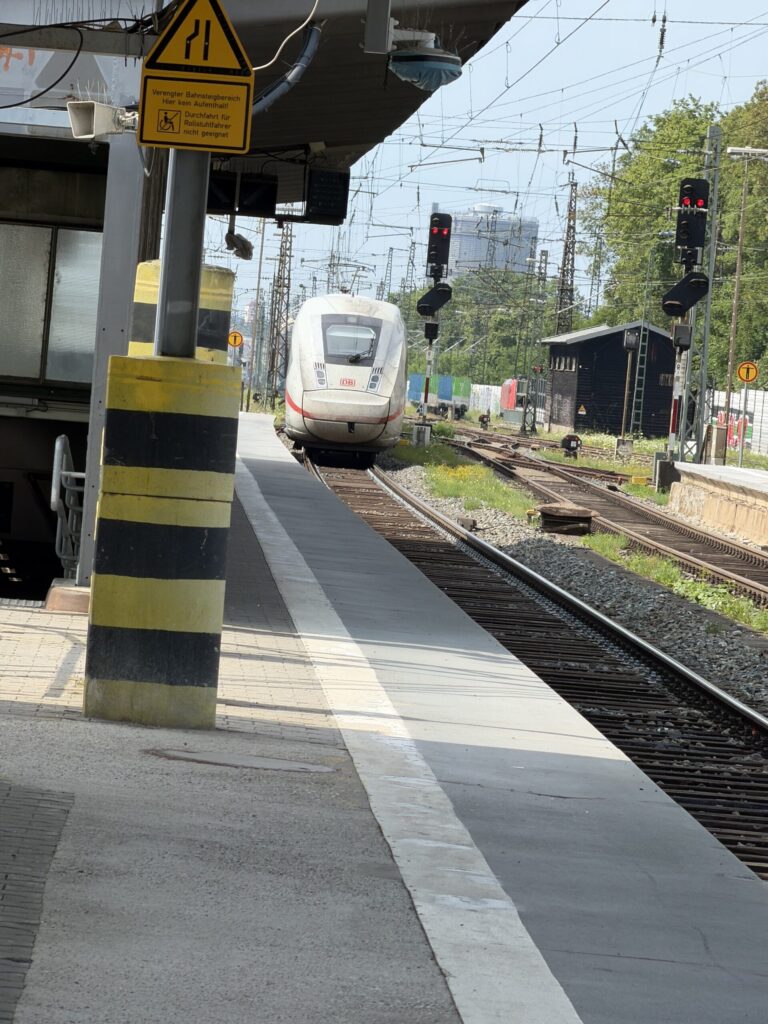
European trains are not the same as Japanese trains. Yes, this should have been obvious, but in my brain it was not. Instead, I’d invented a fictional train journey that had very little chance of existing in real life.
Getting my baggage stored involved stairs and tight squeezes. My seat was cramped and stuffy. The scenery was enchanting for a while, but nine hours is a very long time. And the trains were not running like precision timepieces.
Transfers were stressful, and I only made the last one, after arriving an hour late, because my connecting train happened to pull in behind us on the same track.
Sometimes, the traditional way is, in fact, the better way.
Rather than spending two nights in Amsterdam, largely so I could embark on this ridiculous train journey, I could have (and probably should have) taken a connecting flight and landed in Salzburg to begin with.
Because sometimes, the convenience of a quick flight or a fast train is worth sacrificing a little spontaneity—or passing up a more unusual way to get there.
But other times, the slow, non-airplane way is absolutely the better way.
And those times make all the failed attempts to capture the romance of travel worth the risk.
Slow Travel Around the Baltic Sea
When I left America, my trip was only planned through my second stay in Amsterdam.
I had no return ticket, no concrete plan, and a maximum of ninety days to explore the Schengen Zone—an area comprising most of mainland Europe, where travelers can move between participating countries without routine internal border checks.
I had a guidebook for Eastern Europe and the vague idea that I wanted to stay in the north, where it would be cooler.
And at some point, for no reason other than it seemed like a good place to start, I decided I would fly from Amsterdam to Tallinn, Estonia, book a hotel for a week, and figure out the rest once I got there.
It turned out to be one of the best decisions of the entire trip.
Not only did Tallinn serve as the gateway to a road trip through the three Baltic States—Estonia, Latvia, and Lithuania—but once I arrived, I discovered the sheer brilliance of the Baltic Sea ferries connecting Tallinn, Helsinki, and Stockholm.
Between the rental car and the ferries, I found exactly the kind of slow travel I dream of.
A Region Designed for a Road Trip
I’d originally just wanted to explore the northern coast of Estonia, but figuring out how to reach all those little places by public transportation was becoming an exercise in frustration. So I started looking into renting a car. And once I had a car, why stop at Estonia? One possibility led to another, and before I knew it, I’d put together a twelve-day road trip through Estonia, Latvia, and Lithuania.
None of it had been part of some grand plan. I just had the freedom to say yes.
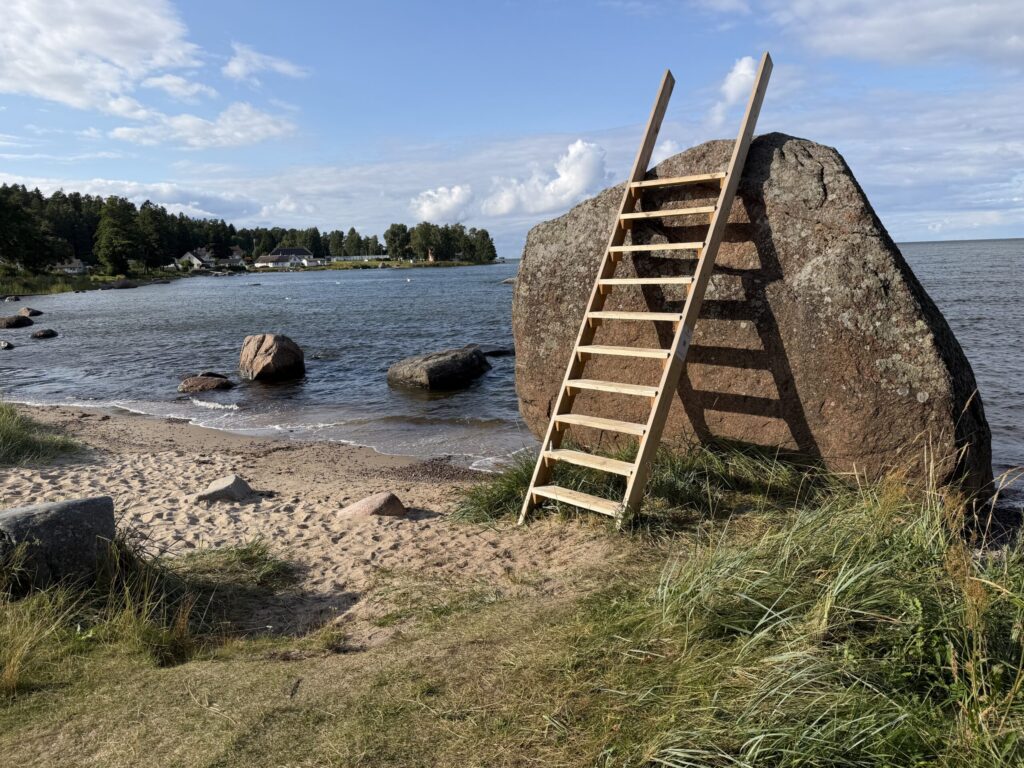
Estonia, Latvia, and Lithuania are relatively small countries, with an abundance of nature, varied landscapes, and charming little towns dotted throughout the countryside.
Population density is relatively low, which makes driving less stressful, even around the larger cities, and the road infrastructure is excellent.
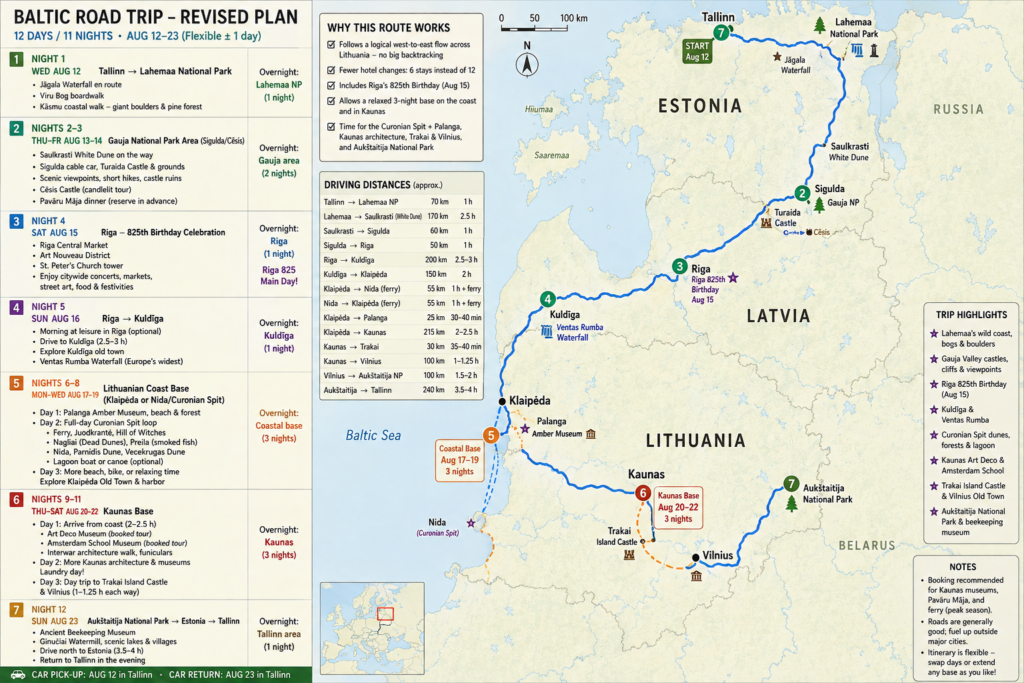
As usual, the itinerary was more of a suggestion than a set of instructions.
And one of the things that made exploring these smaller towns so easy was the language situation. I kept hearing the same fascinating explanation: because the local languages are spoken by relatively small populations, foreign movies and television are often subtitled rather than dubbed. So people grow up hearing English regularly, on top of learning it in school.
Whatever the combination of reasons, the result was astonishing. Everywhere I went, even in tiny towns and roadside stops, I encountered people who spoke excellent English. I don’t think I opened my translation app once.
And when you can actually communicate with the people you encounter along the way, venturing off the beaten path becomes a whole lot less intimidating.
Everything feels fairly close together. Most days, I only traveled an hour or two between destinations.
Beyond the breathtaking scenery, there was an abundance of wildlife to marvel at. Well, mostly birds. But I am at the age where suddenly birds have become fascinating.
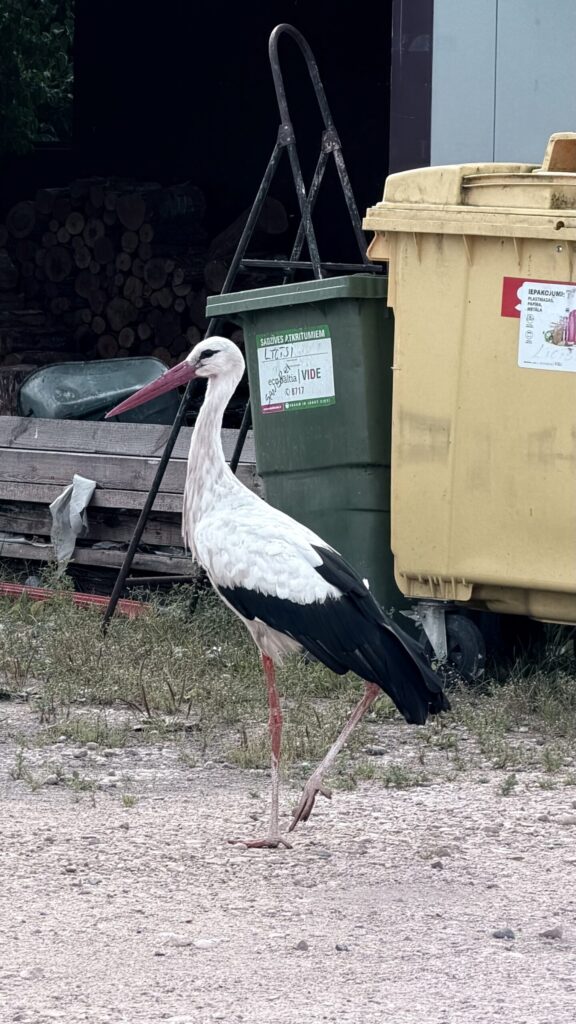
And did you know that western Latvia is absolutely teeming with storks in the summer?
I did not.
Until, that is, I drove past a field with dozens of these giant birds standing so still that I thought maybe they were fake. Perhaps this was the Latvian version of a scarecrow?
But as I stared, one suddenly flew away, startling the bejesus out of me.
After that, I started noticing storks and their enormous nests everywhere.
And that’s the story of how I finally discovered where babies come from: they come from Latvia!
Driving through the Baltics gave me the opportunity to experience so much more than I would have if I’d simply flown between major cities.
The most nerve-wracking roundabout I’ve ever driven. My first-ever car ferry, between the mainland and the Curonian Spit. The local snacks at roadside gas stations. Rolling fields scattered with enormous boulders left behind by glaciers. A forest full of carved wooden witches.
A restaurant in a national park outside Riga where I ate a multi-course meal featuring wild mushrooms and bugs, followed by a sojourn into the garden to watch the sunset.
Standing on the shores of the Baltic Sea in winds so strong I thought I might finally realize my dream of flying.
Waterfalls you can walk behind. Cable cars over river valleys. Caves carved with names and images dating back centuries. Villages that have barely changed since the Middle Ages.
And people who were absolutely thrilled to see me and share their culture.
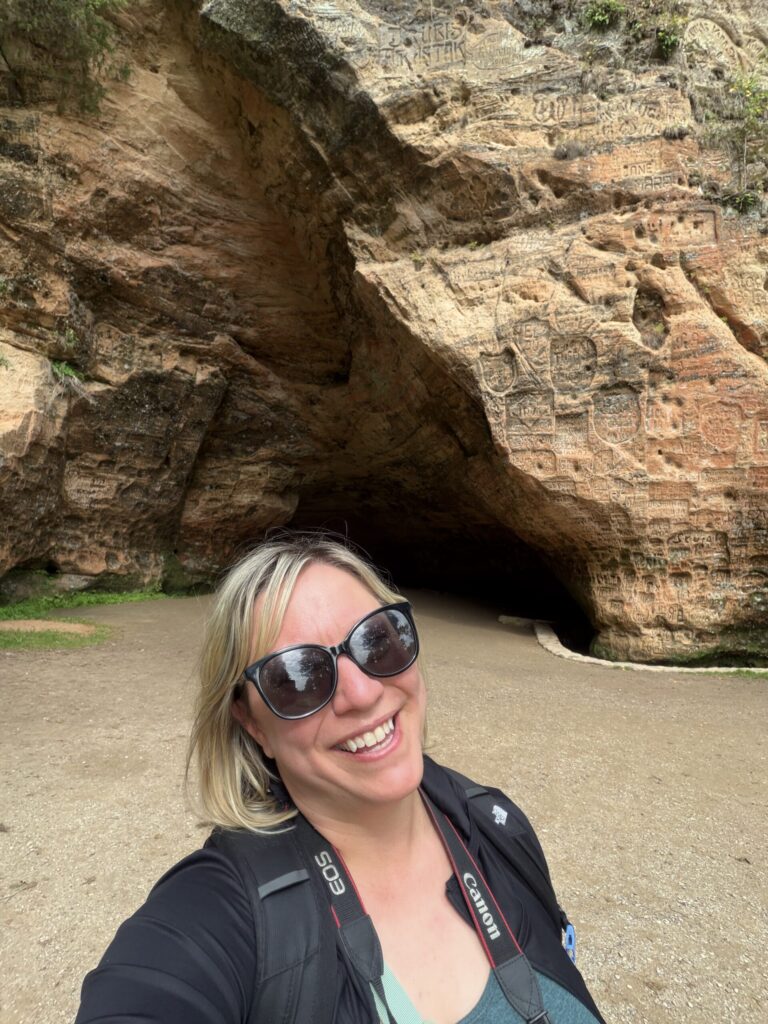
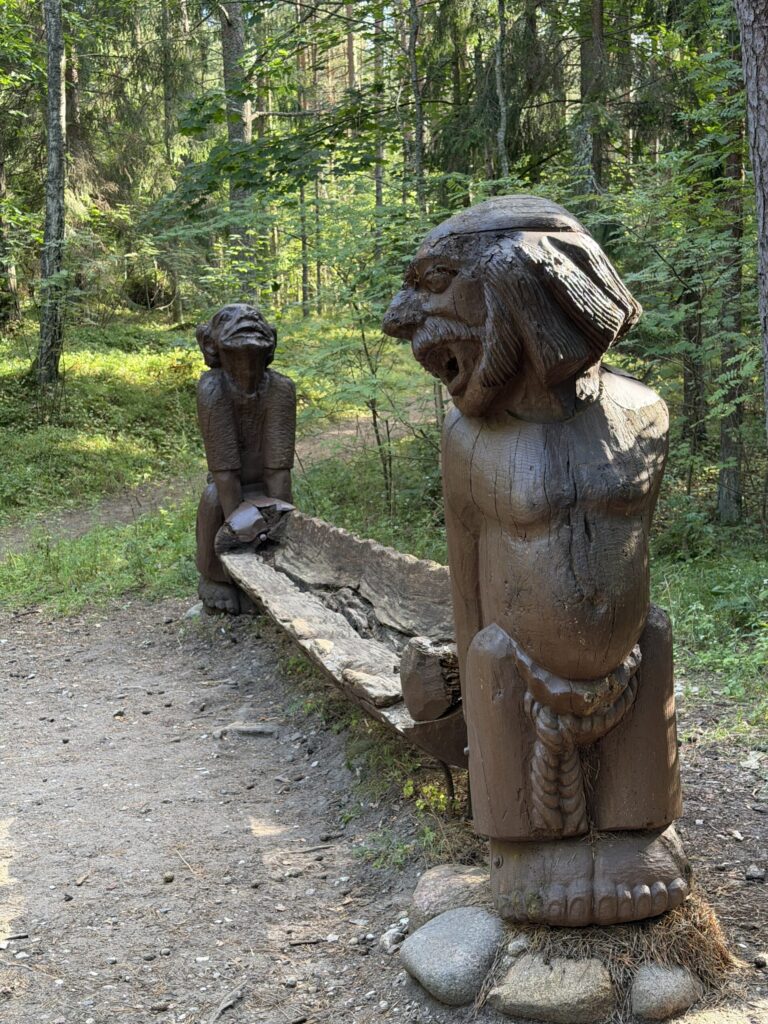
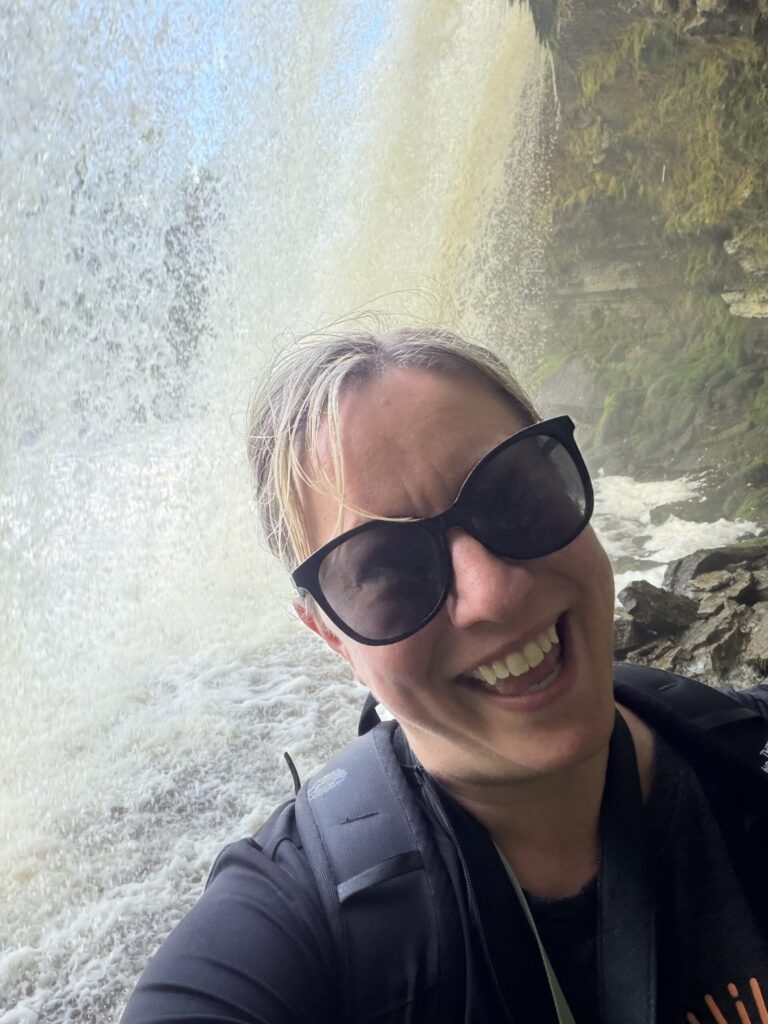
I spent twelve days with my little car, and I could easily have spent twelve more.
I rarely feel compelled to revisit places I’ve already explored, but the Baltics might just be an exception. There are just too many roads I haven’t driven yet.
Want to see the Baltics for yourself? From medieval cities and unexpected roadside discoveries to waterfalls and the Curonian Spit, I’ve collected my favorite moments from Estonia, Latvia, and Lithuania in my Baltic Road Trip video playlist on YouTube.
The Ferries of the Baltic Sea
If the road trip gave me the freedom to explore the Baltics at my own pace, the ferries opened up an entirely new part of Europe.
I’d desperately wanted to include the Nordic countries in this trip, but I’d assumed reaching them would mean adding more flights to an itinerary I was deliberately trying to keep flexible.
But a two-hour ferry from Tallinn to Helsinki? That I could work into my plans easily, whether I wanted to spend a day or a week.
And when I learned about the Baltic Sea ferry triangle that Stockholm completed, everything opened up.
I could return my rental car in Tallinn—because, as I discovered while researching, returning a car in a different country can be insanely expensive—and take the ferry to Helsinki.
Then, after exploring Finland’s capital, I could board an overnight ferry and wake up in Stockholm, Sweden.
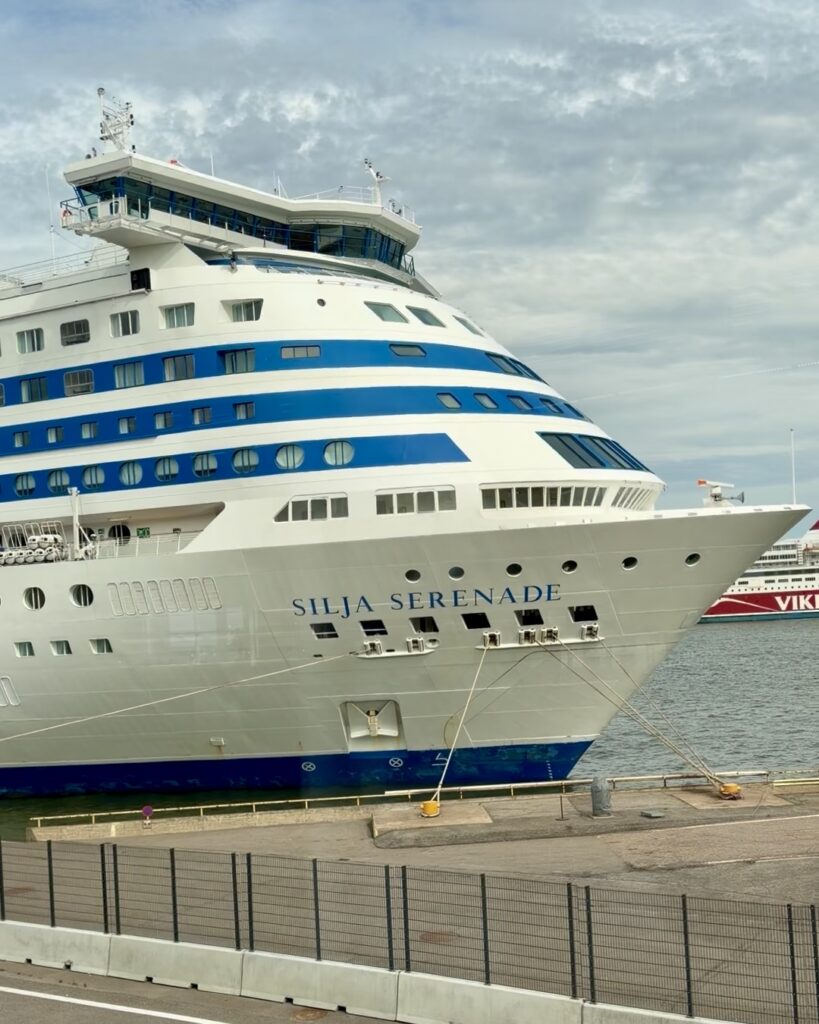
From there, my imagination promptly ran away with me.
I could take the train from Stockholm all the way up to the Arctic Circle! Then head west toward the fjords of northern Norway! And then work my way south through the mountains to Oslo!
Before I knew it, I’d invented an elaborate overland expedition that would have taken weeks and probably required an entirely new vacation to recover from.
But this time, something remarkable happened.
I exercised restraint.
I looked at the time I had, considered how much I actually wanted to enjoy the places I was visiting, and decided that perhaps I didn’t need to travel over every inch of Scandinavia just because I could.
So I abandoned the grand Arctic expedition, flew from Stockholm to Bergen, and saved my Norwegian train-and-ferry adventures for the spectacular journey between Bergen and Oslo.
For once, I actually put into practice the lesson travel keeps trying to teach me: you can’t keep cramming more into a trip, and sometimes successful slow travel means knowing when not to take the long way around.
But the Baltic Sea ferries? Those were staying in the plan.
And unlike that miserable ferry in Japan—a bare-bones operation that left me bored and sleeping on the floor—Tallink’s ferries around the Baltic Sea were incredible.
Even the two-hour crossing from Tallinn to Helsinki had comfortable seating, restaurants, shops, arcades, outdoor decks, and spectacular views.
And the overnight ferry to Stockholm on the Silja Serenade was something else entirely.
This wasn’t just a ferry. It was a very small cruise ship.
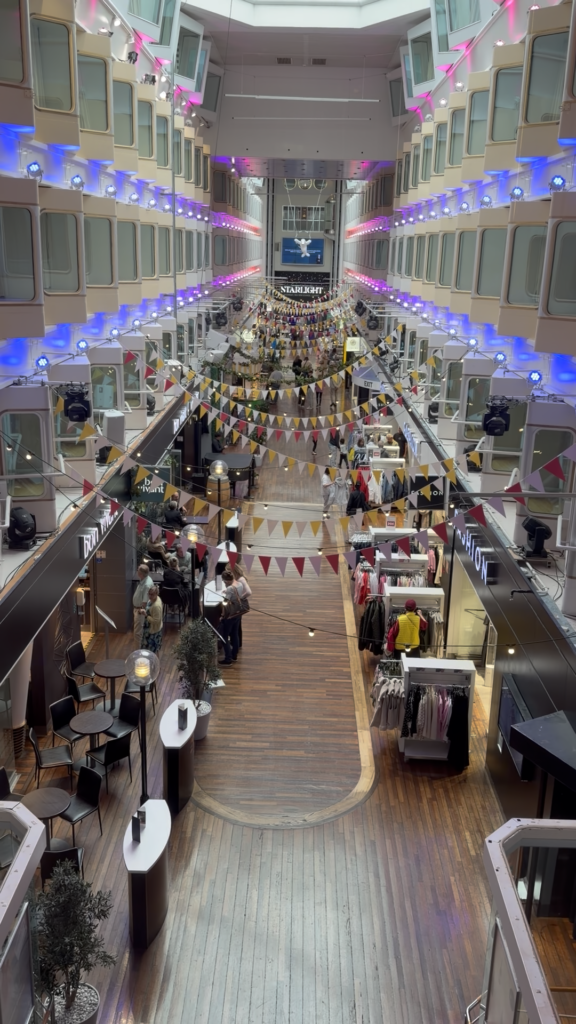
There was a central promenade lined with shops, restaurants, and bars, a sprawling duty-free shopping area, and an upper deck with a sun lounge and even a nightclub-style bar hosting karaoke in the evening.
And there was a spa!
Shortly after setting sail, I made my way to the spa for some quality relaxation time. There were hot tubs, steam rooms, and saunas, and while several large groups seemed to have claimed entire hot tubs as their personal territory. They gave me the side eye when I blithely joined them anyway, but it was still a lovely way to begin the voyage.
Naturally, I also had to investigate the duty-free shopping before dinner—they sold everything from hair ties to local snacks, in addition to the usual perfume and booze sections.
For the overnight journey, I’d booked myself a private cabin, complete with a little bathroom and a small window. It was a bit of a splurge, but the price was comparable to a hotel room for the night—and it included transportation to an entirely different country in what felt like a floating resort!
And that little splurge turned out to be one of the best decisions of the trip.
There’s something about enjoying a five-course, seasonal Nordic dinner, accompanied by incredible nonalcoholic wine, while aboard a ship that’s transporting you to your next destination, that just feels wonderfully extravagant.
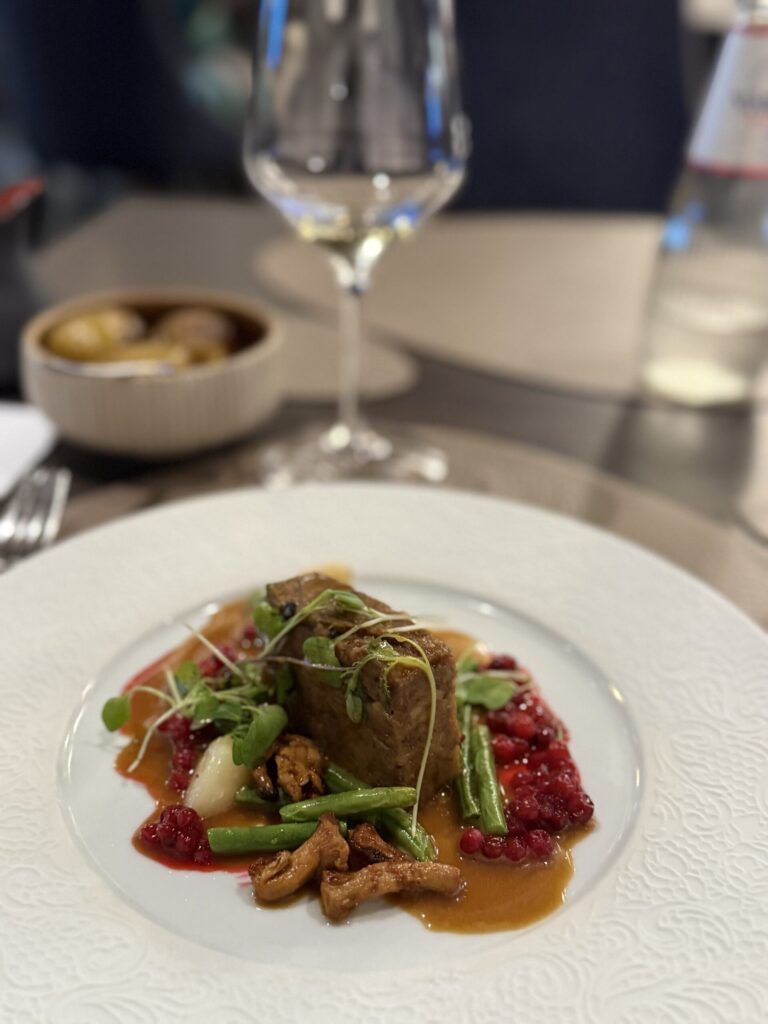
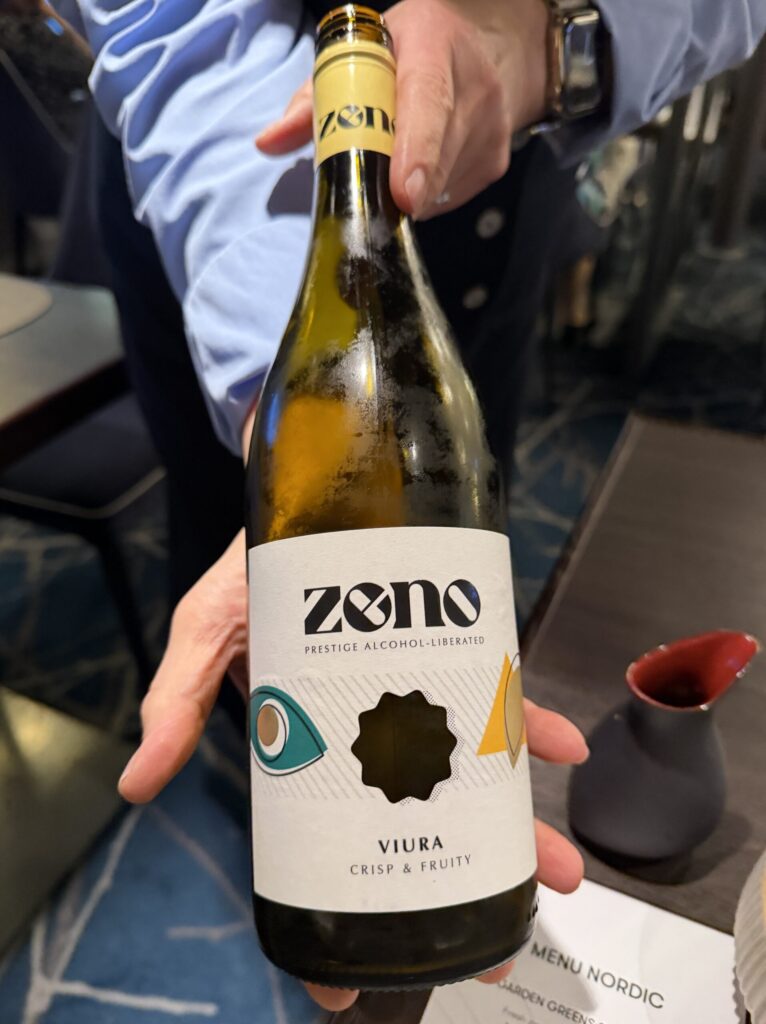
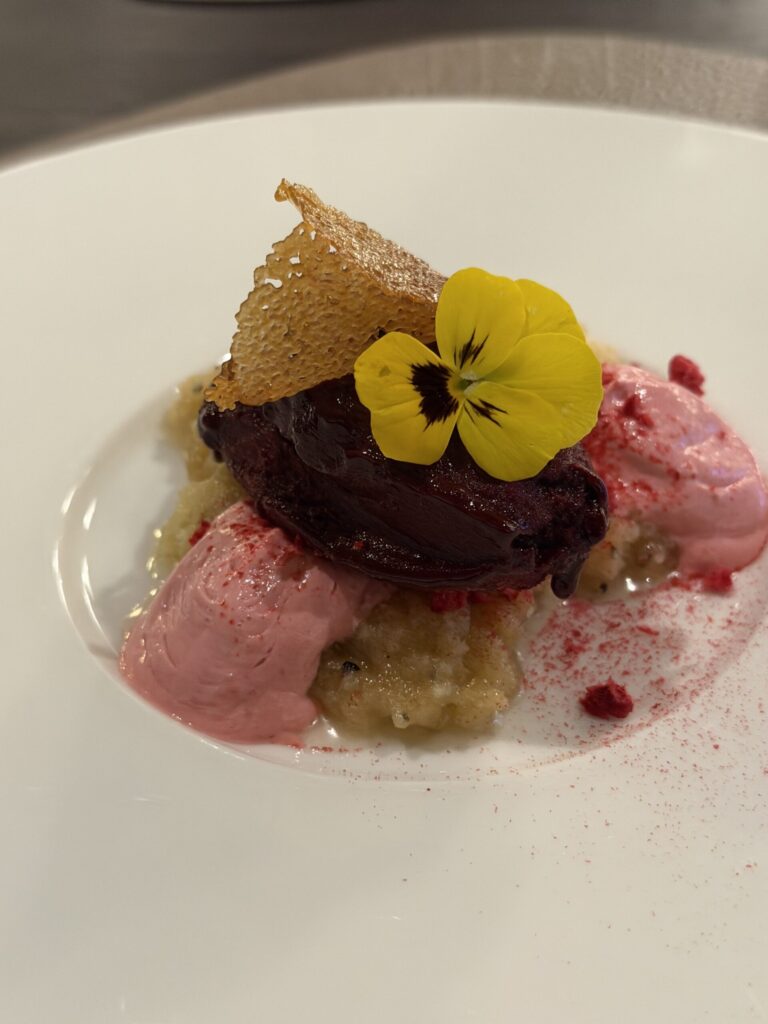
And waking up the next morning, coffee in hand, to watch that enormous ship navigate the rugged islands and narrow passages of the Swedish archipelago?
This.
This is exactly the kind of experience I’m always looking for when I travel.
The journey wasn’t just a necessary inconvenience between two destinations.
It was one of the highlights of the trip.
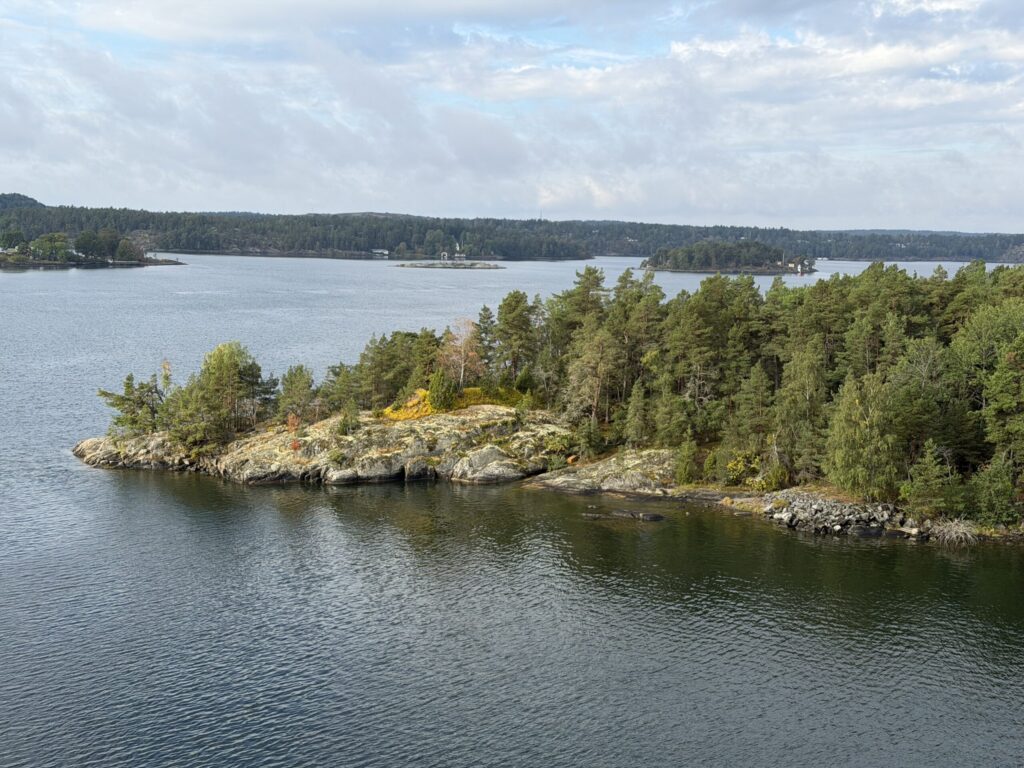
Sometimes the Long Way Is the Right Way
Slow travel—taking the long way and enjoying the journey between destinations—doesn’t always work out the way I imagine it will.
Sometimes, it winds up with me sitting on a train for nine hours, stressed out and uncomfortable, wondering why I didn’t just get on an airplane.
I forced the experience for the sake of taking the long way, and instead of enjoying the journey, I spent most of it wishing it were over.
But the Baltics were different.
There, I wasn’t trying to squeeze an adventure into a predetermined itinerary with rigid deadlines. I was letting the itinerary grow out of the adventure.
I’d arrived in Tallinn with a week booked and little idea of what came next. I wanted to explore Estonia’s northern coast, but figuring out the buses and short-term car rentals was becoming more trouble than it was worth. So I decided to rent a car, and a little coastal excursion grew into twelve days exploring three countries.
And because I didn’t have a flight to catch on a particular day, I could follow those discoveries wherever they led.
A two-hour ferry opened the door to Finland. An overnight voyage turned the journey to Sweden into an experience worth savoring all on its own.
None of it had been part of some grand plan I’d made months before leaving home. One possibility simply led to another, and I had the freedom to say yes.
I slowed down enough to notice the little details that make up a culture. I felt more immersed in the places I visited and the people I met. I discovered things I never would have encountered if I’d simply taken the fastest route between major cities.
Sometimes, the most memorable part of a trip isn’t where you’re going.
It’s everything that happens along the way.
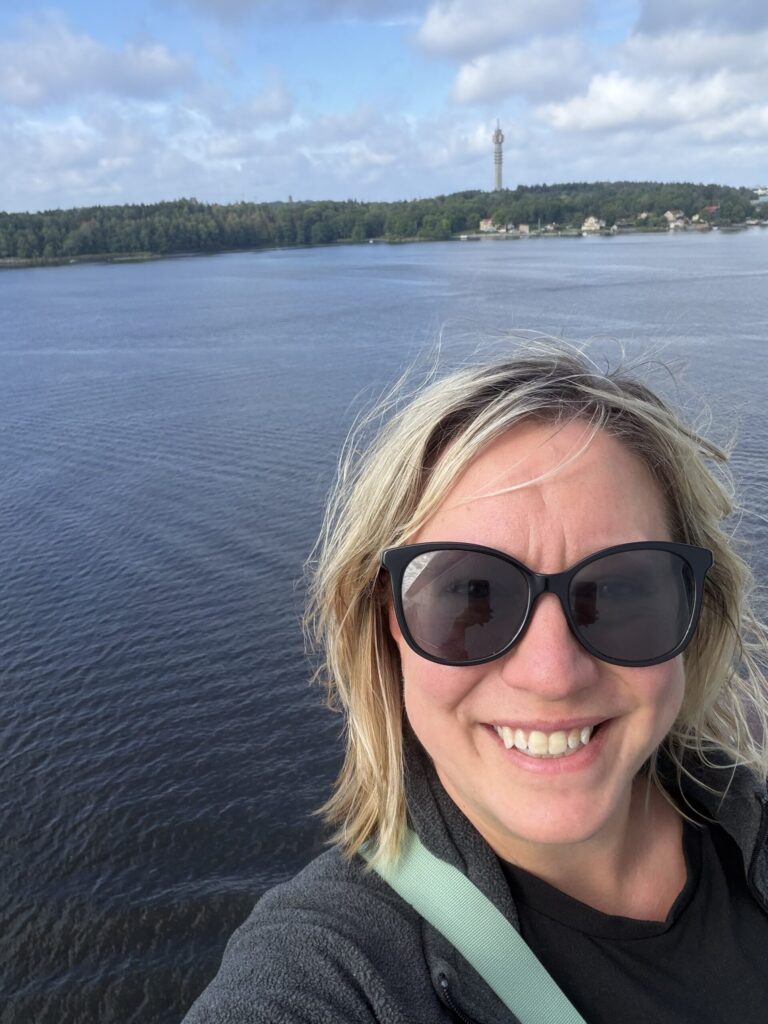
And it’s in those perfect moments that it all makes sense: my understanding of the world speeds up when I finally slow down.
Keep Exploring!
The best travel experiences don’t always come from following a carefully planned itinerary. Sometimes they come from taking a detour, changing your mind, or simply seeing where the road leads.
Looking for more inspiration for your next adventure? Explore my Destinations for more travel stories, or browse my Travel Tips & Planning for practical advice on making the most of your own journeys.
Stay curious, and don’t forget the snacks!
— Ginny Dee, The Sober Globetrotter
Leave a Reply